
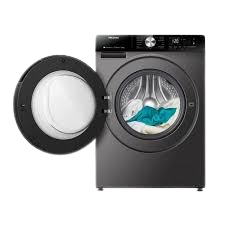
Washing Machine Shaking or Vibrating – Causes and Fixes
Getting Started
If your washing machine is shaking excessively, it often happens during the spin cycle. This is when the drum rotates at high speed, making any imbalance more noticeable. call 0727077723 to and get a technician or click here for more information
Front-load washing machines are designed to automatically redistribute clothes using short rotations. Thanks to gravity, they can often correct the imbalance on their own. However, top-load machines don’t have the same advantage, so you may need to manually adjust the load more often.
If your washer vibrates almost every time you use it, you can skip load-related checks and go straight to inspecting the machine’s leveling.
Note: When we mention “traditional” washing machines, we’re referring to older top-load models that typically use manual knobs.
1. Unbalanced Load
One of the most common reasons for a shaking washer is an uneven load.
- Large items like blankets or duvets can gather on one side of the drum.
- Overloading the machine can prevent it from spinning properly.
How to fix it:
- Pause the machine and rearrange the clothes evenly.
- Add a smaller item (like a towel) if washing a single bulky item.
- Remove some clothes if the drum is overloaded.
- Restart the cycle and observe if the problem is resolved. Get professional help.
2. Uneven or Unstable Legs
If your washing machine is not sitting properly on the floor, it may wobble during operation.
What to check:
- Try gently pushing the machine from different sides to see if it rocks.
- Use a spirit level to confirm if it’s balanced both front-to-back and side-to-side.
Solution:
- Adjust the legs until the machine is stable.
- Some models have self-adjusting rear legs—tilt the machine forward slightly and place it back down to reset them.
- Apply a bit of grease if the leg mechanism is stiff or rusty.
3. Shipping Bolts Still Installed (Front Loaders)
Front-load washers are shipped with bolts that lock the drum in place. If these bolts are not removed, the machine cannot absorb vibration properly.
What to do:
- Check the back panel for bolts (usually 3–4).
- Remove them using the appropriate tool.
- Keep them safe for future transportation.
4. Worn Shock Absorbers (Front Loaders)
Shock absorbers help stabilize the drum during spinning. If they wear out, the washer may shake excessively.
Signs of faulty shocks:
- The drum bounces multiple times when pushed down.
- Visible oil leakage from the shock absorbers.
Fix:
- Inspect the shocks by opening the machine panels.
- Replace all shock absorbers if one is faulty.
5. Damaged Suspension Rods (Top Loaders)
Top-load washers use suspension rods to hold the drum in place. Over time, these rods can lose their strength.
How to test:
- Press down on the drum and release it.
- If it bounces repeatedly instead of settling quickly, the rods may be worn out.
Solution:
- Replace all suspension rods as a set.
- In some cases, applying damping grease can temporarily improve performance.
6. Faulty or Worn Springs
Springs help control the movement of the drum. If they are damaged or worn, the machine may vibrate excessively.
Front-load washers:
- Usually have two suspension springs at the top.
- Check if they are broken, loose, or rusted.
Top-load washers:
- Often have multiple springs underneath the drum.
- Look for:
- Rust or corrosion
- Broken or loose springs
- Weak or stretched coils
Tip: Replace all springs if one shows significant wear.
7. Worn Suspension Components (Top Loaders)
Some top-load machines use additional parts to control vibration, such as:
- Snubber rings
- Wear pads
- Damper pads
When these components wear out, the washer may shake violently or make loud banging noises.
Fix:
- These parts usually require partial disassembly to inspect.
- Replacing them can significantly improve machine stability.
8. Broken Drum Support (Spider Arm Failure)
The spider arm supports the drum and allows it to rotate smoothly. If it breaks:
- The drum may wobble during rotation.
- You may hear clicking or knocking sounds.
Note: This repair is complex and may not be cost-effective for older machines.
9. Other Possible Causes
Balance Ring Damage
- Some machines use liquid-filled rings to stabilize spinning.
- If the liquid leaks, vibration increases.
Worn Bearings
- Bearings support the drum’s movement.
- When worn, they cause loud noise and vibration.
Motor Issues
- In some models, especially direct-drive systems, motor faults can lead to shaking.
Worn Drive Block (Top Loaders)
- A worn drive block can cause the agitator to move irregularly, leading to vibration.
Final Thoughts
A vibrating washing machine is usually caused by simple issues like an unbalanced load or uneven flooring. However, if the problem persists, it may indicate worn internal components that need professional repair.
If you’re in Nairobi or nearby areas, it’s always best to consult an experienced technician to diagnose and fix the issue properly.
 Next Post